In our fast-paced modern world, stress and anxiety have become unwelcome companions for many of us. The constant demands of work, relationships, and daily responsibilities can leave us feeling overwhelmed and depleted. Fortunately, meditation offers a powerful antidote—a way to calm the mind, soothe the nervous system, and restore inner peace.
In this comprehensive guide, I'll share five proven meditation techniques that can significantly reduce stress and anxiety. These practices are accessible to everyone, whether you're a complete beginner or have some meditation experience. Each technique offers unique benefits, so I encourage you to explore them all and discover which resonates most with you.
The Science Behind Meditation and Stress Relief
Before we dive into specific techniques, it's helpful to understand why meditation is so effective for stress management. Scientific research has shown that regular meditation practice:
- Reduces cortisol levels (the primary stress hormone)
- Activates the parasympathetic nervous system (rest and digest response)
- Increases gray matter in brain regions associated with emotional regulation
- Enhances production of GABA, a calming neurotransmitter
- Improves heart rate variability, a marker of stress resilience
Studies have demonstrated that just 10-20 minutes of daily meditation can produce measurable changes in brain structure and function within just eight weeks. This isn't mysticism—it's neuroscience.
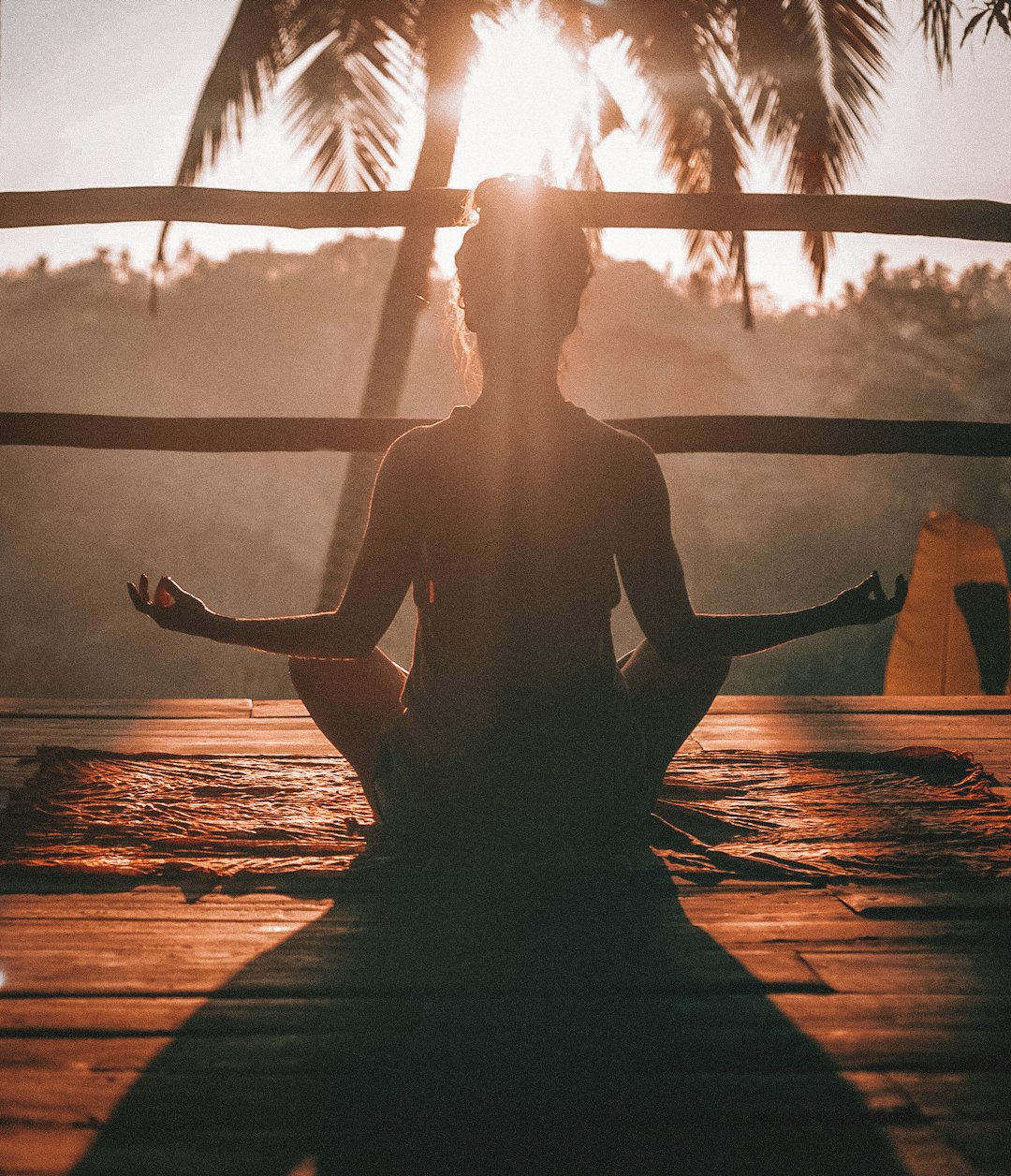
Technique 1: Mindful Breathing Meditation
How to Practice
- Find a comfortable seated position with your spine upright but not rigid
- Close your eyes or maintain a soft downward gaze
- Begin to notice your natural breath without trying to change it
- Bring your attention to the sensation of breathing—perhaps at your nostrils, chest, or belly
- When your mind wanders (and it will), gently guide it back to the breath
- Continue for 5-20 minutes
Why It Works: Mindful breathing is the foundation of many meditation practices. By anchoring your attention to the breath, you create a stable focal point that interrupts the cycle of anxious thoughts. The rhythmic nature of breathing naturally calms the nervous system, while the practice of returning attention to the breath strengthens neural pathways associated with focus and emotional regulation.
Best For: Beginners, acute anxiety episodes, moments when you need quick stress relief.
Pro Tip
Try counting your breaths (1-10) to help maintain focus. Count "one" on the inhale, "two" on the exhale, and so on. When you reach ten, start over. This gives your mind a task while keeping you present.
Technique 2: Body Scan Meditation
Body scan meditation systematically directs attention through different parts of the body, promoting deep relaxation and awareness of physical sensations.
How to Practice
- Lie down in a comfortable position or sit with good support
- Take a few deep breaths to settle in
- Begin at the top of your head and slowly scan downward
- Notice sensations in each body part without judging them
- If you find tension, breathe into that area and allow it to soften
- Progress through your entire body: face, neck, shoulders, arms, hands, chest, abdomen, back, hips, legs, and feet
- Complete the practice by taking a few full-body breaths
Why It Works: Many of us carry stress as physical tension without realizing it. Body scan meditation brings awareness to these areas and activates the relaxation response. Research shows this practice can reduce chronic pain, improve sleep quality, and decrease symptoms of anxiety and depression.
Best For: Releasing physical tension, preparing for sleep, connecting mind and body.

Technique 3: Loving-Kindness Meditation (Metta)
This beautiful practice cultivates compassion for yourself and others, which research shows can significantly reduce anxiety and increase positive emotions.
How to Practice
- Sit comfortably and take a few centering breaths
- Begin by directing kind wishes toward yourself: "May I be happy. May I be healthy. May I be safe. May I live with ease."
- Repeat these phrases several times, allowing the intention to sink in
- Next, bring to mind someone you care about and direct the same wishes toward them
- Gradually expand to include neutral people, difficult people, and eventually all beings
- Notice any resistance that arises and meet it with gentleness
Why It Works: Loving-kindness meditation activates brain regions associated with empathy and emotional processing while decreasing activity in areas linked to stress. It counteracts the self-criticism and rumination that often fuel anxiety, replacing negative thought patterns with positive intentions.
Best For: Self-compassion, social anxiety, healing relationships, cultivating positivity.
Technique 4: Guided Visualization
Visualization harnesses the power of imagination to create mental scenarios that promote relaxation and positive emotional states.
How to Practice
- Find a quiet space where you won't be disturbed
- Close your eyes and take several deep, relaxing breaths
- Imagine a place where you feel completely peaceful and safe—perhaps a beach, forest, or cozy room
- Engage all your senses: What do you see? Hear? Smell? Feel on your skin?
- Allow yourself to fully inhabit this peaceful place
- Stay here for 10-15 minutes, deepening the experience
- When ready, gently return to the present moment
Why It Works: Your brain doesn't always distinguish between real and vividly imagined experiences. When you visualize a peaceful scene, your body responds as if you're actually there, triggering relaxation responses. This technique is particularly effective for anticipatory anxiety about future events.
Best For: Performance anxiety, insomnia, creative people, preparing for stressful situations.
Technique 5: Mantra Meditation
Mantra meditation uses the repetition of a word, phrase, or sound to focus the mind and induce a meditative state.
How to Practice
- Choose a mantra that resonates with you (e.g., "peace," "om," "I am calm," or any word that feels meaningful)
- Sit comfortably with a straight spine
- Close your eyes and take a few grounding breaths
- Begin repeating your mantra silently or aloud
- Let the mantra flow naturally with your breath
- When thoughts intrude, gently return to the mantra
- Continue for 10-20 minutes
Why It Works: The rhythmic repetition of a mantra occupies the verbal processing centers of the brain, leaving less capacity for anxious thoughts. The practice creates what researchers call a "relaxation response," characterized by decreased heart rate, blood pressure, and stress hormones. Transcendental Meditation, a specific form of mantra practice, has been extensively studied and shown to reduce anxiety significantly.
Best For: Racing thoughts, mental chatter, those who struggle with silent meditation.

Creating a Sustainable Meditation Practice
Understanding techniques is just the beginning. The real transformation comes from consistent practice. Here are strategies to help you maintain a regular meditation routine:
Start Small and Be Realistic
Begin with just 5 minutes daily. It's better to meditate for 5 minutes every day than 30 minutes once a week. As the practice becomes habitual, you can gradually increase duration.
Choose a Consistent Time and Place
Linking meditation to an existing habit (like your morning coffee) helps establish the routine. Create a dedicated meditation space, even if it's just a corner of a room with a cushion.
Use Apps and Resources
Meditation apps like Insight Timer, Calm, or Headspace can provide structure, guidance, and community support. Many offer specific programs for anxiety and stress.
Be Patient and Compassionate
Some days meditation will feel effortless; other days, your mind will race. Both experiences are valuable. The practice isn't about achieving a perfectly calm mind—it's about showing up and noticing whatever arises.
Common Meditation Myth
"I can't meditate because my mind won't stop thinking." This is the most common misconception! The mind's job is to think. Meditation isn't about stopping thoughts but changing your relationship with them. Every time you notice you're thinking and return to your focal point, you're successfully meditating.
Combining Techniques for Maximum Benefit
You don't have to choose just one technique. Many practitioners combine methods or rotate through different practices depending on their needs. For example:
- Start with mindful breathing to settle into meditation
- Move into a body scan to release physical tension
- Finish with loving-kindness to cultivate positive emotions
Experiment and discover what works best for you. Your practice can evolve over time as your needs change.
When to Seek Additional Support
While meditation is a powerful tool for managing stress and anxiety, it's not a substitute for professional mental health care. If you're experiencing severe anxiety, panic attacks, or depression that interferes with daily functioning, please consult with a therapist or healthcare provider. Meditation can be an excellent complement to therapy and, in some cases, medication, but it shouldn't replace professional treatment when needed.
Conclusion: Your Journey to Inner Peace
Stress and anxiety don't have to control your life. These five meditation techniques offer practical, scientifically-supported pathways to greater calm and emotional resilience. Each method provides unique benefits, and together they form a comprehensive toolkit for managing life's challenges.
Remember, meditation is a practice, not a performance. There's no such thing as doing it "wrong." Every moment you spend cultivating awareness and compassion is valuable, regardless of how your mind behaves during that time.
I encourage you to commit to trying each of these techniques for at least one week. Keep a journal noting which practices you're drawn to and what effects you observe. Over time, you'll develop a personalized meditation practice that supports your unique needs and lifestyle.
The journey to inner peace begins with a single breath. Are you ready to take it?
Join us at Karriflowasana for guided meditation classes where you can learn these techniques in a supportive community environment. Our experienced instructors provide personalized guidance to help you develop a sustainable practice. Contact us to learn more about our meditation offerings.